Our mission is to foster a vibrant bioscience community and advance citizen science and molecular biology education.
We believe that combining cutting-edge molecular biology research with public education has the power to create a better world and accelerate scientific progress.
We participated with a 15 min presentation in the biosafety and biosecurity section. As a reminder, here's the link to
Relevant Canadian regulation that you need to read before taking part in significant experiments.
Keep in mind that the regulation is amended from time to time and it was amended this spring. Most of the amendments applied to higher risk groups we are not using.
PHAC is the Canadian agency that among other important responsibilities regulates and enforces Biosafety and Biosecurity in Canada. That includes research activities including activities in the community biology sphere. We will present during the Biosafety and Biosecurity session.
How To Grow Almost Anything MIT course starts. Our group is a 'node' for the course, it's one of the 2 nodes in Canada and one of the first 8 nodes in the world.
At this point the registrations are opened. The registration is done directly with MIT and the accepted students will have to choose a home node where homework reviews, labs and final project is performed.77
Register here, Current deadline Feb 2.
During Bootcamp Jan 19-23, our node will present three topics: Online databases, Cell culture and Accessible protocols. First lecture is Feb 3 and since the bootcamp is optional it's considered the start of the course.
2025
December
Preparation underway for the How To Grow Almost Anything MIT course start. Our group is a 'node' for the course, it's one of the 2 nodes in Canada and one of the first 8 nodes in the world.
In discussion with the Museum of Science and Technology for an early series of Spring workshops following the Fall workshops success.
Contacted by PHAC-Public Health Agency of Canada to participate in a new edition of the Canadian Biosummit. This is an exciting development for the community bio space in Canada. Details are being worked out.
Last leg of the MIT HTGAA course with all the student final projects presented. The final project completion will continue throughout the summer.
Still waiting for Twist orders delivery. Apparently the other labs experienced delays due to customs. There is a potential of putting a second Twist order during the second week of June.
Our node with links to all the final student projects:
Almost last leg of the MIT HTGAA course with all the student final projects presented.
Twist orders are in production. This is a first batch of 5 new genes.
Thank you Prof Dr. Andreas Möglich for the generous gift of optogenetics constructs. They will be put to good use.
April
We partnered and became a voting member of the SynBio Canada
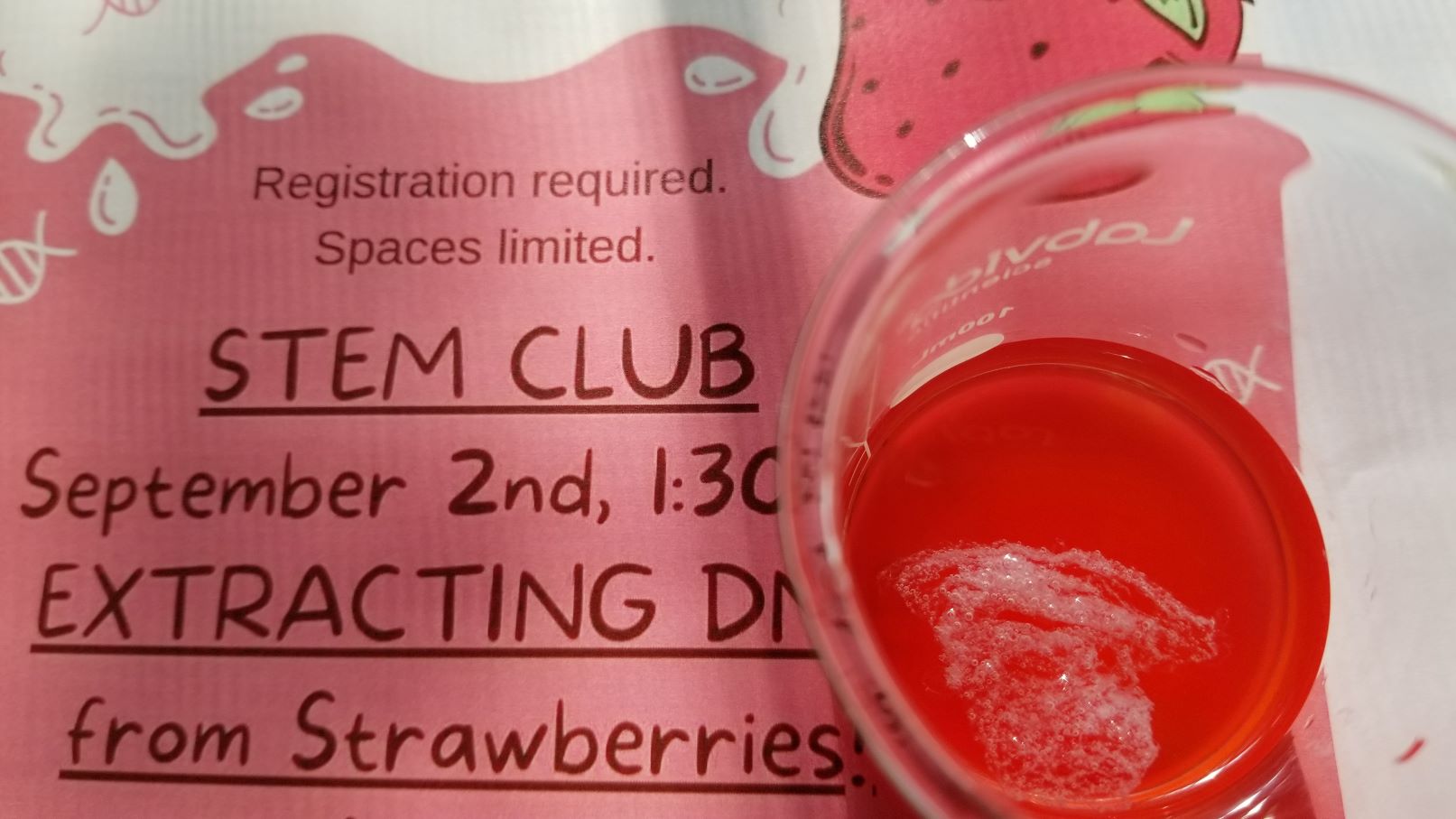
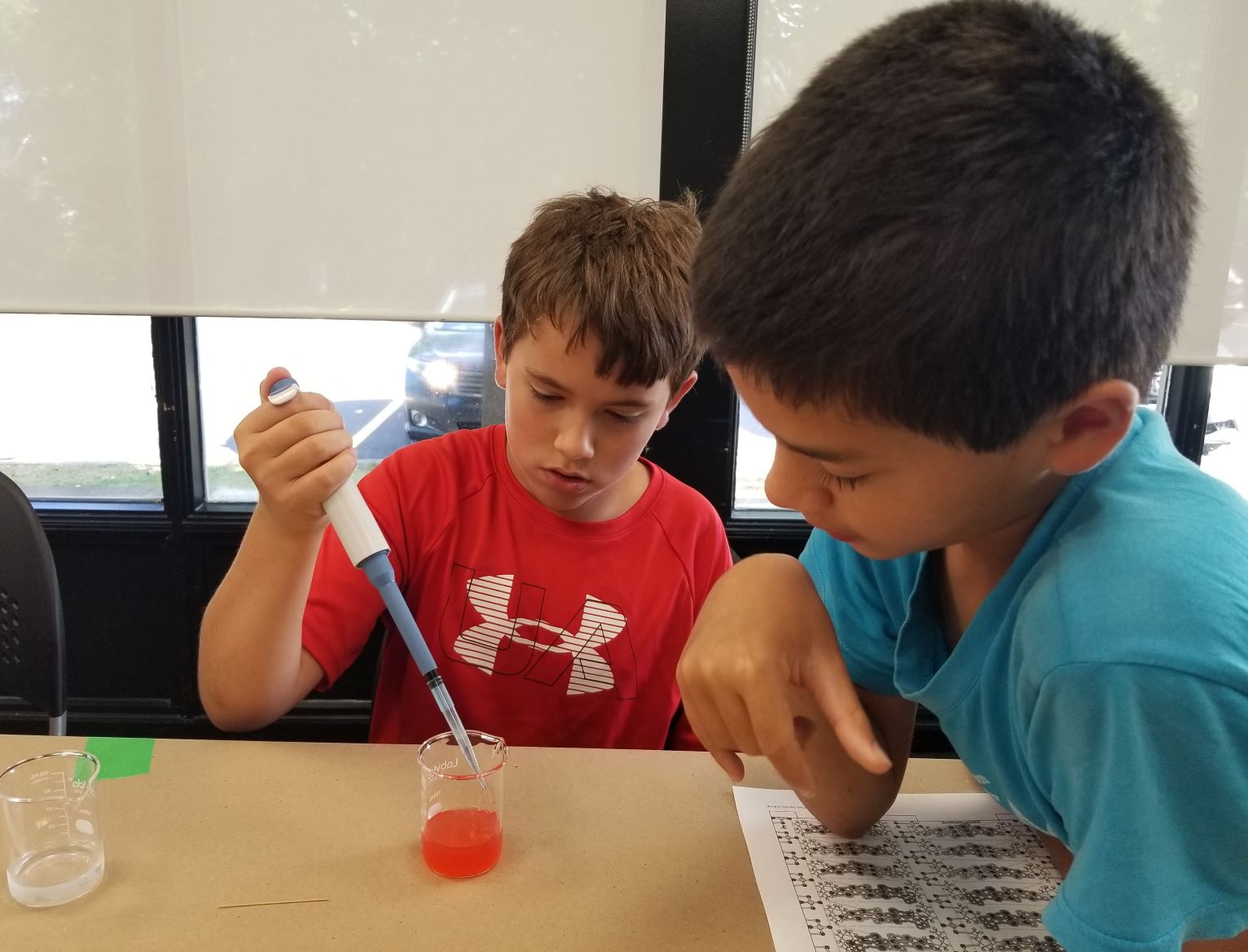
Presented a public workshop in DNA extraction at the Library.
We got a lot of great feedback. Pictures pending.
HTGAA course is reaching final projects stage and a large number of final projects are underway. Here are some of them:
Design a T4Ligase expressing system
HTGAA course is reaching final projects stage and a large number of final projects are underway. Here are some of them:
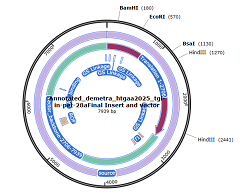
Design a T4Ligase expressing system so we can produce the protein for restriction cloning Restriction cloning Synthesis of Biodegradable antimicrobial bioplastics in Photosynthetic micro algae
Design and express an Operon for degrading specific plastic. phaABC Operon_D
Design transform express CCar9_B for production of DNA, RNAi using microfluidics or robotics.
Start the process of designing a BsaI production to be used for MoClo for FreeGenes
Design another plasmid for transforming plastic: NcoI_XhoI_no_HIS_no_thrombin, Demetra_T
Met with Yann De Kermadec, Enzymethic and discussed partnership and collaboration for biological products
Yann was very interested in using some of our products and participate in joint projects.
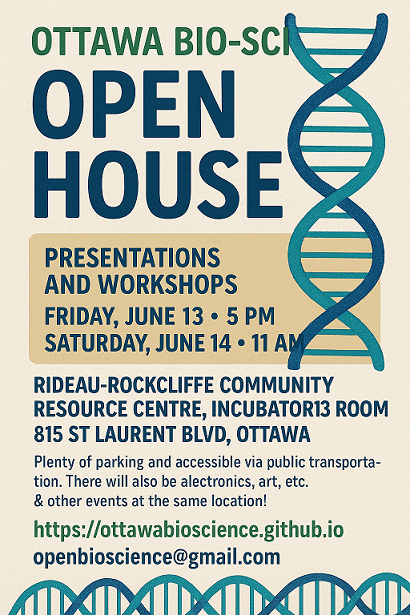
Ottawa Bio Science will have a booth at the Open Doors event at Rideau RockliffeCC
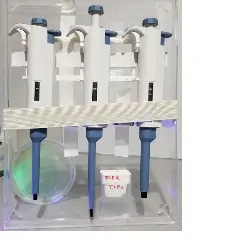
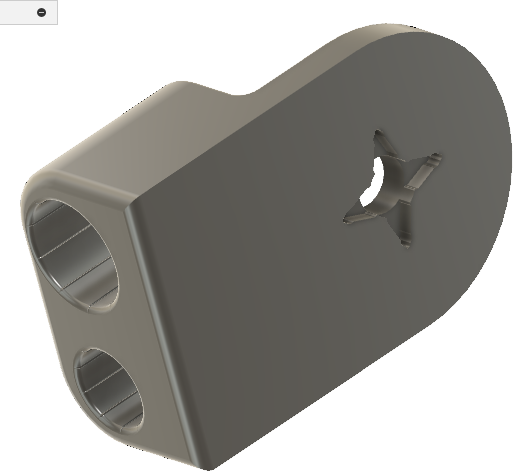
Quick Setup Guide: Take a Chocolate Box (i.e. Ferrero Rocher); Eat all the chocolates; 3D Print the Pipette Hooks; Prepare an Elastic Loop; Add Foam to cushion and secure the pipettes; Place your pipettes into the hooks and check the fit and stability; Repeat ... Take a Chocolate Box…
MIT-HTGAA Course starts Ottawa Bio Sci will be an official HTGAA node for the 2025 edition of MIT Media Lab of "How to Grow Almost Anything"
This is an amazing course that introduces everybody to the inner mechanisms of life.
And it's totally free!!
2024
January
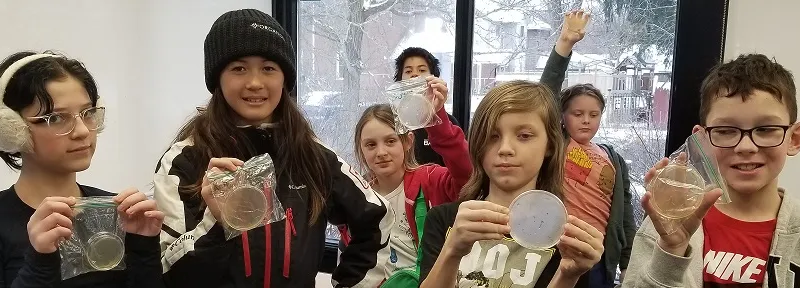
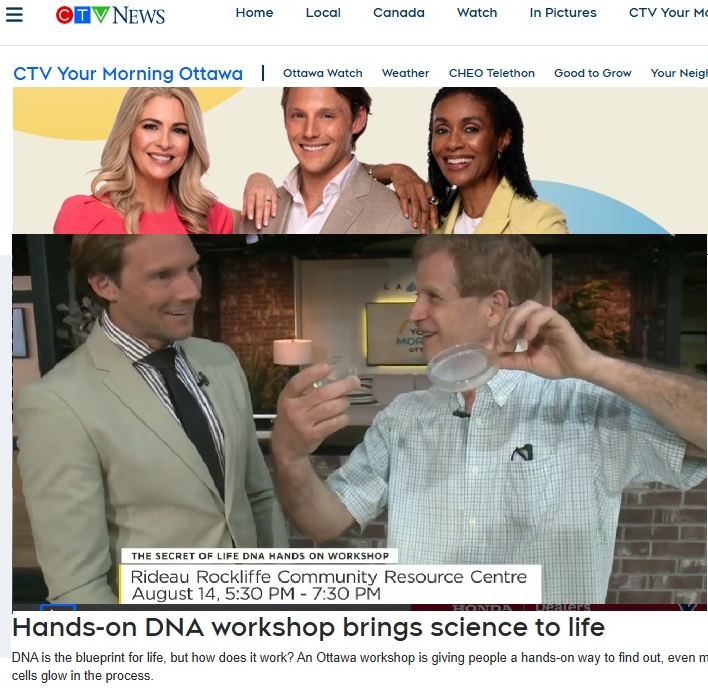
Fluorescent Cells: A Petri Dish Adventure Workshop at the library
Molecular Bio Open Source Software App
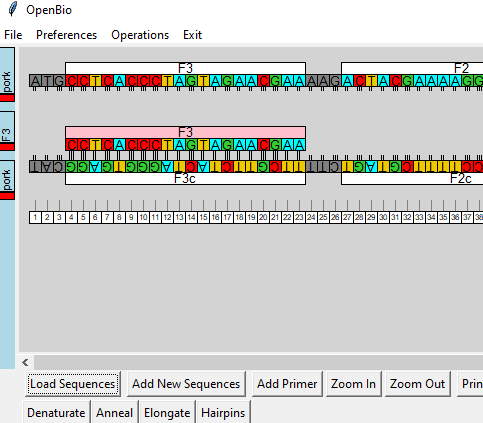
Incredibly, while Benchling and SnapGene and Geneious are used by everybody there is no OpenSource equivalent. Several of our members decided to develop an open source software called Open Bio. The first use case focuses on visualizing and checking primers for PCR and LAMP reactions. Our current working version can load and display sequences and simulate bio operations like annealing and elongation and simple hairpins. Source code at GitHub below.
Protocol, Included origami DNA at mrpauller dot weebly dot com/blog/origami-dna
For LAMP assay prepare and publish the meat preparation protocol at protocols.io
Fab Lab Festival participation. Our booth was very busy and successful. We were filmed and interviewed. We will update the links once we obtain the material. Fab Fest
Continue detailed work for creating a secondary more accessible lab.
Reclone meeting and participation
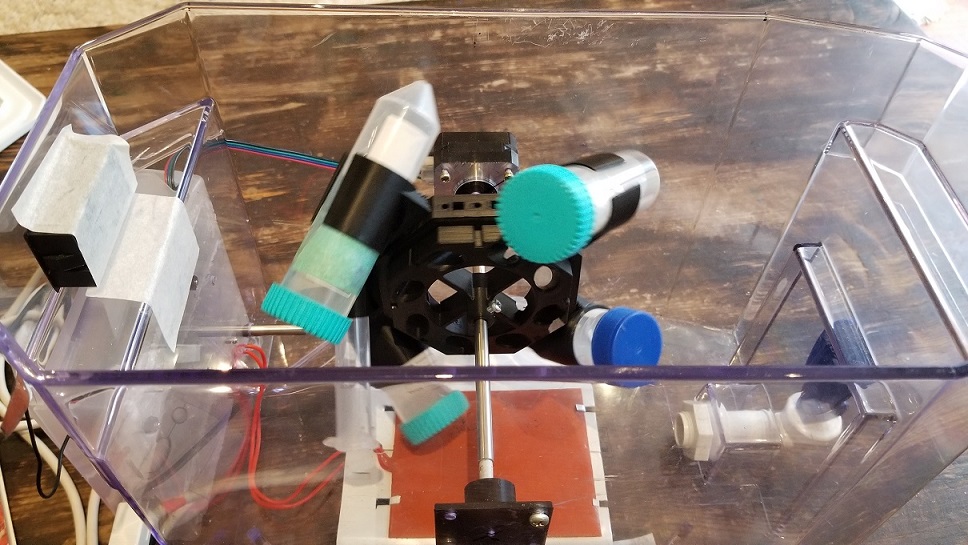
Design and build a tube rotator
Create GitHub project and start documenting.
June
Dry freezing in June
Discuss/assess simple dry freezing technique as per Jennifer's paper. Shall we attempt it? It requires a long list of reagents a fast freezing device and a strong vacuum pump to attempt sublimation.
Reclone meeting and participation
Advanced discussions with other organization about partnering. Start detailed work for creating a more accessible secondary lab.
May
Document the inoculating Robot
We need to meet and document the robot as the details are still fresh.
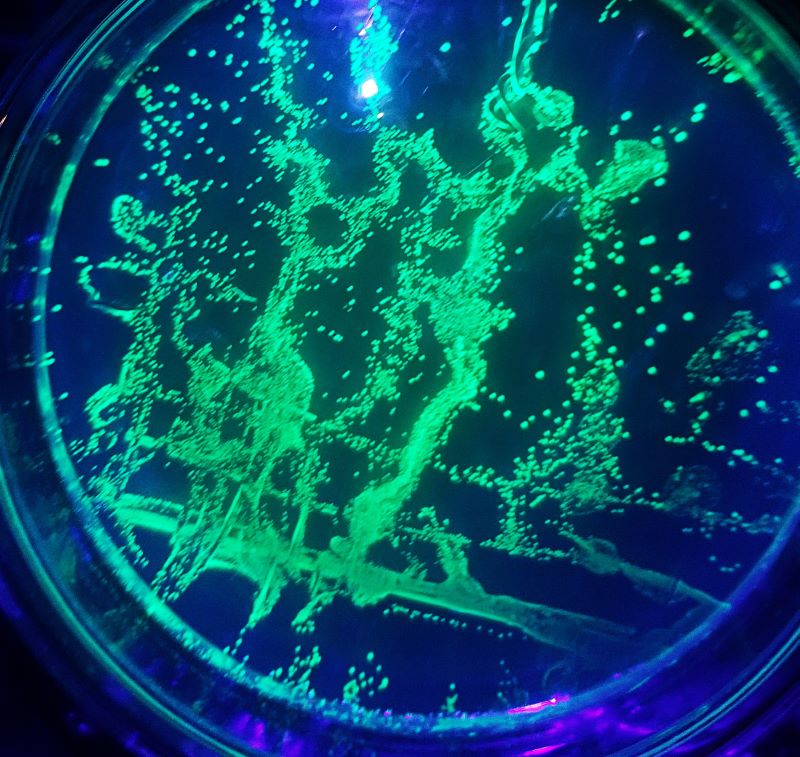
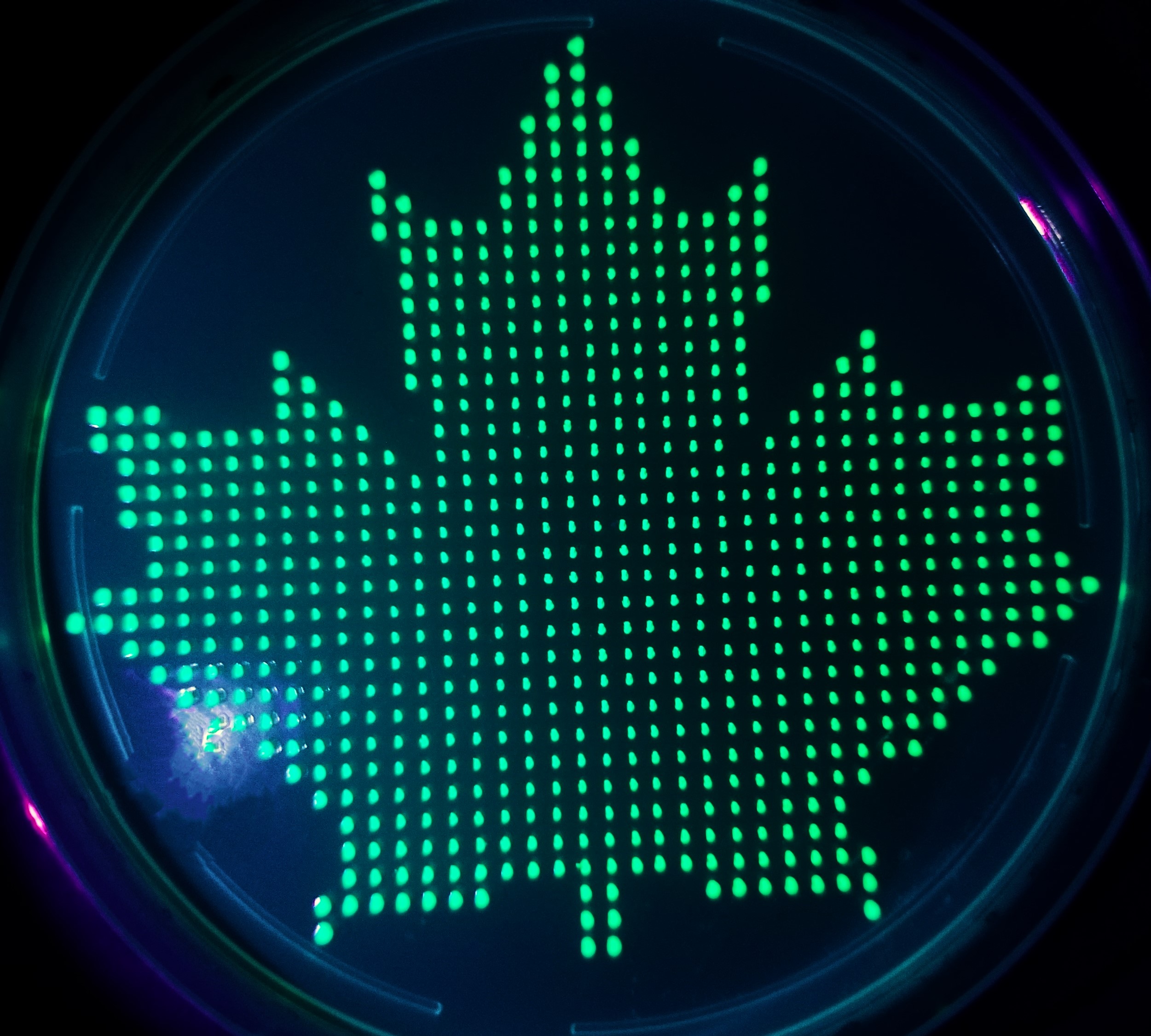
Petri dish inoculated with GFP using the Inoculating Robot. Picture taken after incubation under UV light.
We will use the lessons and elements from the openFlexure project adapted to our project. It could be used for reading plaque for the HTGAA collab project.
Start literature research and design of continuous directed evolution system to implement
One of our long term intentions could become possible due to robotics. Try to identify a system that can be implemented using our implementation of pyLabRobot server.
Collab on HTGAA collab group project
Planning and start design of experiments
Design GA primers session
GA is maybe the most useful tool in engineering today so understanding it is a great skill. Bring scissors to cut DNA. Seriously...
April
Initial test the Inoculating robot
We will design several patterns.
Reclone grant proposal meeting
Discuss the potential involvement
Design the primers for plant virus LAMP kit session
Reclone presentation. From Kits to DIY
March
Presentation and discuss HTGAA collab group project
We will participate in a phage therapy research project. While the general goal is stated we need to distill that in concrete details. Major risk is availability and affordability of reagents.
Continue discussions for partnering and creating a secondary lab more accessible.
Prepare testing for inoculating robot
Select and culture the dishes and liquid culture for testing the Inoculating Robot
Work on the design of kit for LAMP
Decide on the plasmid and order
Cell Free Lab
Test the cell free from Kate Atamala/ U of Minesotta. The dry ice was gone by the time we got the packet. Testing result was not conclusive.
Reclone meeting
February
Approach several organization for partnering and create a secondary lab more accessible.
Discuss new presentation for the next Reclone meeting
Cell-Free Protocol Meet to design a cell-free Python protocol for Opentrons and Opentrons tube racks.
 Discovered a new phage
 We participated with a 15 min presentation in the biosafety and biosecurity section. As a reminder, here's the link to


 https://github.com/AdrianMolecule/glassLysis